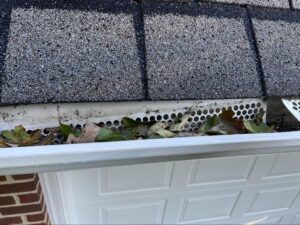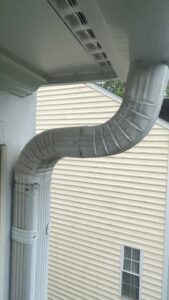

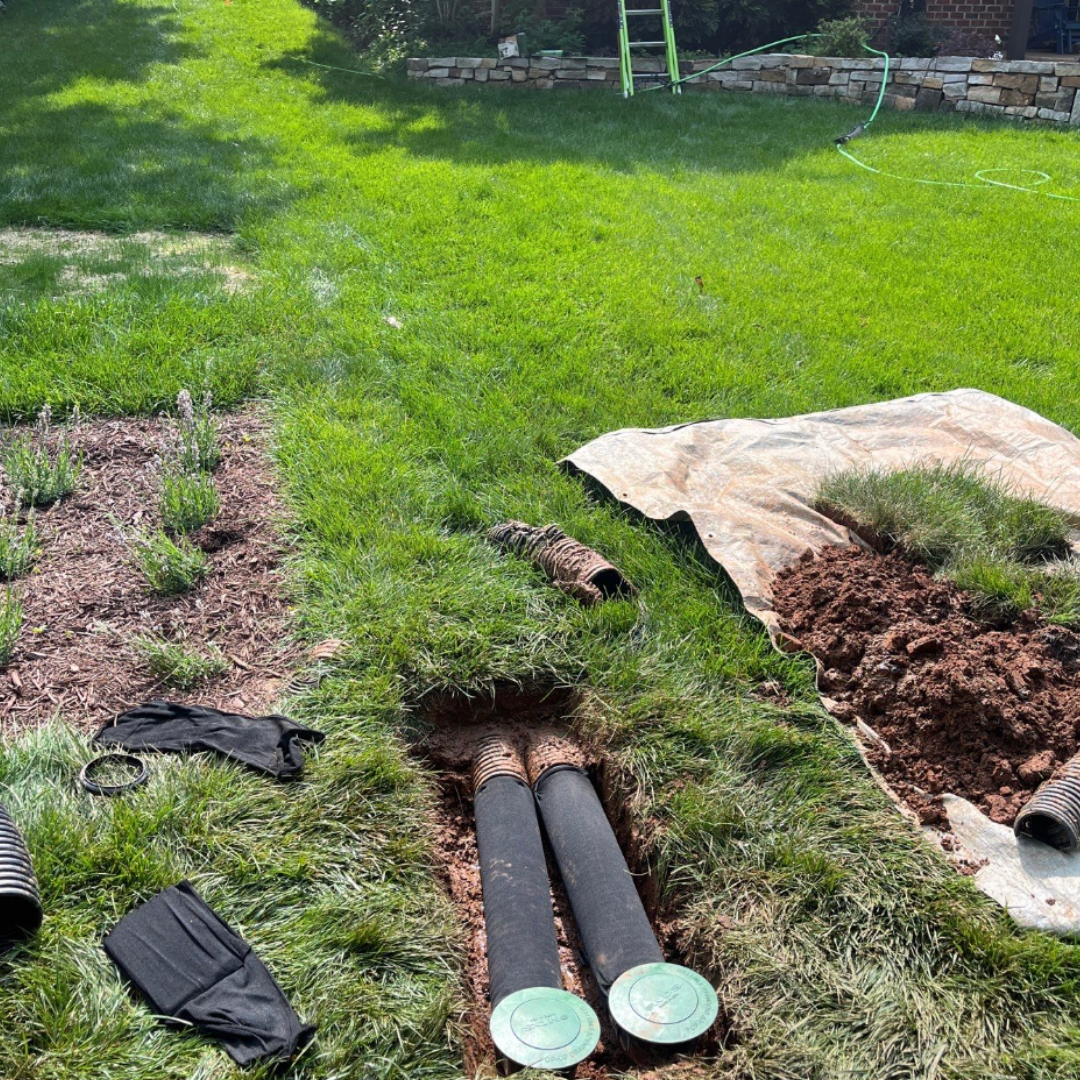
Yes, underground gutter drains can be cleaned or replaced even while new gutters are being installed above. The two scopes of work are separate. A gutter specialist handles the buried drain lines independently of the vertical gutter system, so you can address both issues at the same time without one job holding up the other.
A contractor reached out to us recently on behalf of a homeowner in Charlottesville, Virginia who was in exactly this situation. Their old gutters were coming down, new ones were going up, but the existing underground drain system buried in the yard was being left completely untouched because the gutter installer didn’t handle that work.
It’s more common than most people realize. And leaving those buried lines unaddressed while putting a brand-new gutter system on top is a bit like replacing a kitchen faucet without checking the pipes underneath. We handle the full picture at Charlottesville Gutter Pros, including everything from the roofline all the way to where the water exits the yard.
What Exactly Is an Underground Gutter Drain System?
An underground gutter drain is a buried pipe that carries water away from your downspouts and releases it at a safe distance from your home’s foundation. Instead of letting water dump at the base of your downspout and pool near the house, the system channels it underground to a pop-up emitter, a dry well, or a curb drain in the yard or street.
These systems are common in yards where surface drainage is poor or where the grade of the land doesn’t naturally direct water away from the structure. They’re effective when they’re working. But because they’re buried, most homeowners never think about them until something goes wrong.
Why Do Buried Drain Lines Get Ignored During Gutter Replacements?
Most gutter installation companies only work on the vertical system, meaning the gutters and downspouts themselves, and don’t extend their scope to what’s buried underground. That’s not a knock on them. It’s simply a different trade with different tools and different expertise.
The problem is that when a homeowner schedules a gutter replacement, they often assume the whole drainage system is being addressed. The above-ground portion gets new hardware, but the buried lines stay exactly as they were, blockages and all.
If those underground lines are clogged, crushed, or disconnected, the shiny new gutters above them won’t drain properly. Water will back up at the downspout connection and eventually overflow, defeat, or damage the new installation.
How Do You Figure Out If the Underground Lines Have a Problem?
The most reliable method we use is a water flush test, where we run water through the line from the top and observe whether it flows freely and exits where it should. This tells us whether the line is open, partially blocked, or completely obstructed.
In some cases, a contractor or plumber might suggest using a drain camera to scope the line first. That can provide useful visual information about the condition of the pipe. But for most underground gutter drain assessments, a thorough water flush gives us the information we need to make a recommendation.
Here’s what we’re looking for during that assessment:
- Whether water flows freely from the inlet to the outlet
- Where the exit point is and whether it’s functioning
- Whether there are sections where water is backing up or not moving
- Signs of pipe separation, collapse, or root intrusion
If you want to learn more about how we approach this work, you can read about our team and our process to get a better sense of how we assess these systems before recommending a repair or replacement.
What Happens If the Underground Drain Line Is Beyond Cleaning?
If flushing reveals that the line is crushed, collapsed, or severely deteriorated, cleaning alone won’t solve the problem and a partial or full replacement of the buried pipe will be necessary. This isn’t uncommon in older properties, especially where tree root growth or soil shifting has damaged the pipe over time.
Replacement involves excavating the affected section, removing the old pipe, and installing new drainage pipe that reconnects cleanly to the downspout outlet and runs to a functioning exit point. The scope of excavation depends on where the damage is and how long the run is.
Our underground gutter drain cleaning and service covers both scenarios: clearing lines that just need a flush and replacing sections that are too far gone to rehabilitate.
Should You Address the Underground Drains Before or After New Gutters Go In?
Ideally, you assess the underground drain system before the new gutters are connected to it. If there’s a blockage or damage buried in the yard, it’s much easier to locate and address when you already have access to the downspout connection points.
Timing it alongside a gutter installation project is actually a smart move. You have the downspouts disconnected anyway, which gives us a clean access point to run a flush test without any workarounds. Getting both done at the same time saves you a second mobilization and makes sure everything is coordinated from day one of the new system’s life.
That said, if the gutters are already installed and connected, we can still service the underground lines. It just requires a slightly different access approach.
What Are the Signs That Your Underground Drain Lines Are Already Failing?
Failing underground gutter drains often show symptoms that homeowners mistake for other problems, like poor yard drainage or downspout backup. Knowing what to look for can save you from foundation damage or yard erosion that builds up silently over months or years.
Watch for these warning signs:
- Water pooling at the base of a downspout after rain
- Soggy or consistently wet areas of lawn that follow the path of the buried line
- No visible water exiting at the pop-up emitter or outlet during or after heavy rain
- Downspouts that back up and overflow even when the gutters themselves are clean
- Sinkholes or depressions in the yard above where the pipe is buried
Any one of these is worth having looked at before assuming the gutters above are the problem.
Frequently Asked Questions
Can a plumber handle underground gutter drain work, or does it need to be a gutter specialist?
Plumbers have the tools, including drain cameras and jetting equipment, that can be useful for scoping or clearing buried lines. However, underground gutter drains are not sewer or potable water lines, so a gutter specialist who works with these systems regularly is often a better fit for diagnosis and repair. The two trades can complement each other well, especially when scoping is done first and the gutter company handles the physical repair or replacement.
How long does it take to flush and assess an underground gutter drain?
A water flush test and assessment typically takes less than an hour for a standard residential drain run. If multiple downspouts connect to the same underground system, or if the exit point is hard to locate, it may take a bit longer. We always walk the homeowner through what we found before recommending next steps.
Is it expensive to replace a buried gutter drain line?
The cost depends on how much of the line needs to be replaced and how deep it’s buried. Spot repairs on a short damaged section are significantly less involved than replacing a long run across the yard. A proper assessment is the only way to give you an accurate number, and that starts with a flush test to find exactly where the problem is.
What if I don’t know where my underground drain lines run in the yard?
That’s a very common situation, especially in older homes where drainage systems were installed without documentation. A water flush from the downspout connection point, combined with locating the outlet emitter, usually gives us enough information to trace the general path. In cases where the exit point is unknown or buried, additional locating steps may be needed.
Ready to Get Your Underground Drains Assessed in Charlottesville, Virginia?
If you’re replacing your gutters or already noticing drainage issues in your yard, don’t let the buried portion of your system be the weak link. We work on the full drainage system from roofline to outlet, and we’re familiar with the specific soil conditions, grades, and property types throughout Charlottesville, Virginia and the surrounding area.
Give us a call or contact us online to schedule an assessment. We’ll figure out exactly what’s going on with your underground lines and give you a straight answer on whether a flush will fix it or whether something more is needed.