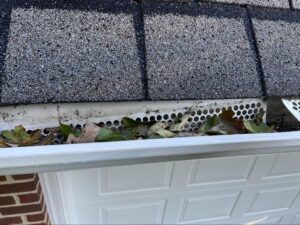

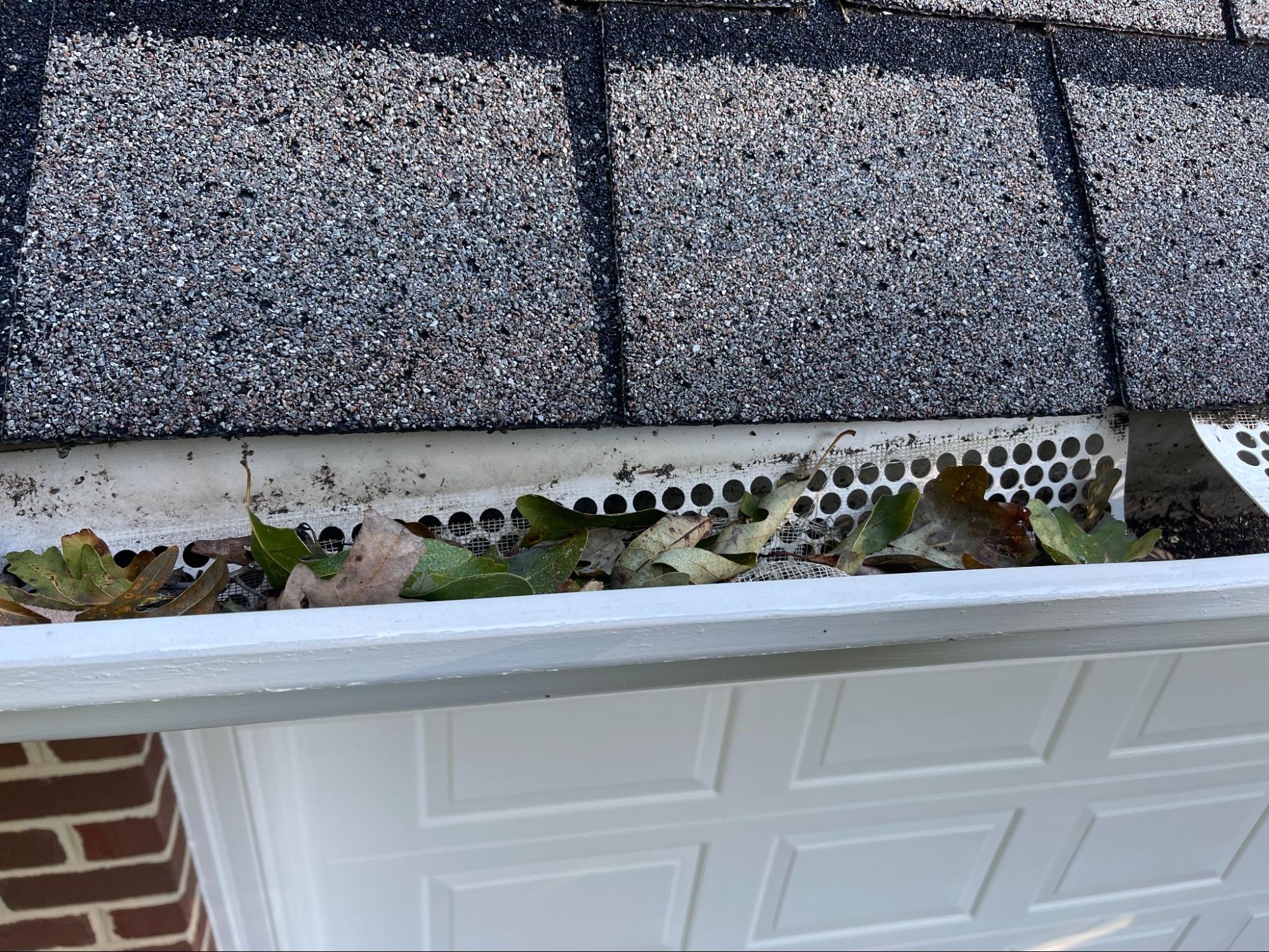
Yes, clogged or overflowing gutters are one of the most common causes of basement water intrusion. When gutters back up, water spills over the edge and pools against your foundation. Over time, that standing water finds its way inside. Cleaning and properly directing your gutters is often the first fix to try.
A homeowner in Charlottesville, Virginia recently called us after noticing water coming into her basement following heavy rain events. She had already brought in another contractor to address drainage, but she suspected her gutters were still part of the problem. She was right to make that connection.
At Charlottesville Gutter Pros, we see this situation regularly. The gutter system and the foundation are more connected than most homeowners realize. Here is what you need to know.
How Do Clogged Gutters Lead to Basement Water Problems?
When gutters are blocked, water overflows and saturates the soil directly next to your foundation. That soil can only absorb so much before it pushes moisture through cracks, gaps, or porous concrete. Even a relatively new home can experience this if the gutters are not maintained.
The right side of a house is often worse than the left, or vice versa, depending on where trees are and how the roof drains. If you notice more overflow or water damage on one particular side, that is a strong clue about where the blockage is concentrated.
- Gutters pulling away from the roofline
- Water stains on exterior siding below the gutter line
- Pooling water near the foundation after rain
- Basement dampness that worsens during or after storms
If you are seeing any of these signs, professional gutter cleaning is a smart first step before spending money on interior drainage solutions.
What Role Do Downspouts and Gutter Extensions Play?
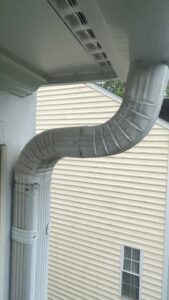
Even clean gutters can cause basement issues if the downspouts are not directing water far enough away from the house. Ideally, water should discharge several feet from the foundation, not right at the base of the wall.
Sometimes creative routing is required, especially on older properties or homes with unusual grading. We often find situations where previous repairs have redirected water in ways that help some areas but unintentionally create problems elsewhere. Our team can evaluate the full picture when we are on site.
Do Gutter Guards Help Prevent This Problem?
Gutter guards can reduce how often debris accumulates, but they are not a perfect solution for every home. There are a lot of opinions out there, and honestly, the answer depends on your specific tree coverage, roof pitch, and gutter configuration.
Some homes in Charlottesville sit under heavy tree canopies and deal with significant pollen and seed drop in late spring. In those cases, even well-designed screens can get overwhelmed. Our technicians can give you an honest recommendation based on what they actually see at your property, not a one-size-fits-all pitch.
You can learn more about our team and our approach to honest, practical gutter care before booking.
How Often Should Gutters Be Cleaned to Avoid These Issues?
Most homes need gutter cleaning at least twice a year, but homes with heavy tree coverage may need it more frequently. In central Virginia, late spring is a particularly important time because pollen, seeds, and debris build up quickly after winter and early spring storms.
If you have moved into a home and are not sure when the gutters were last serviced, treat it as overdue. Starting fresh with a full cleaning gives you a reliable baseline and helps you understand your home’s specific drainage behavior.
Will cleaning my gutters definitely fix my basement water problem?
It depends on the cause. If overflow and poor water direction are contributing factors, cleaning and redirecting your gutters can make a significant difference. In some cases, additional grading or drainage work may also be needed. A gutter inspection is a good low-cost starting point.
Can I just clean the gutters myself?
You can, but getting on a ladder and safely clearing debris, checking downspout flow, and spotting damage takes experience. A professional can identify issues you might miss, including sagging sections, loose hangers, or downspout blockages deeper in the system.
What if my gutters were recently modified or rerouted by another contractor?
That is worth flagging when you call us. Understanding what work has already been done helps our technicians assess the full drainage picture and make sure nothing is routing water in an unintended direction.
If you are dealing with basement moisture and suspect your gutters may be part of the problem, do not wait for the next storm to confirm it. Contact us to schedule a gutter cleaning and inspection for your Charlottesville, Virginia home. We will take a look, give you a straight answer, and help you figure out the right next step.